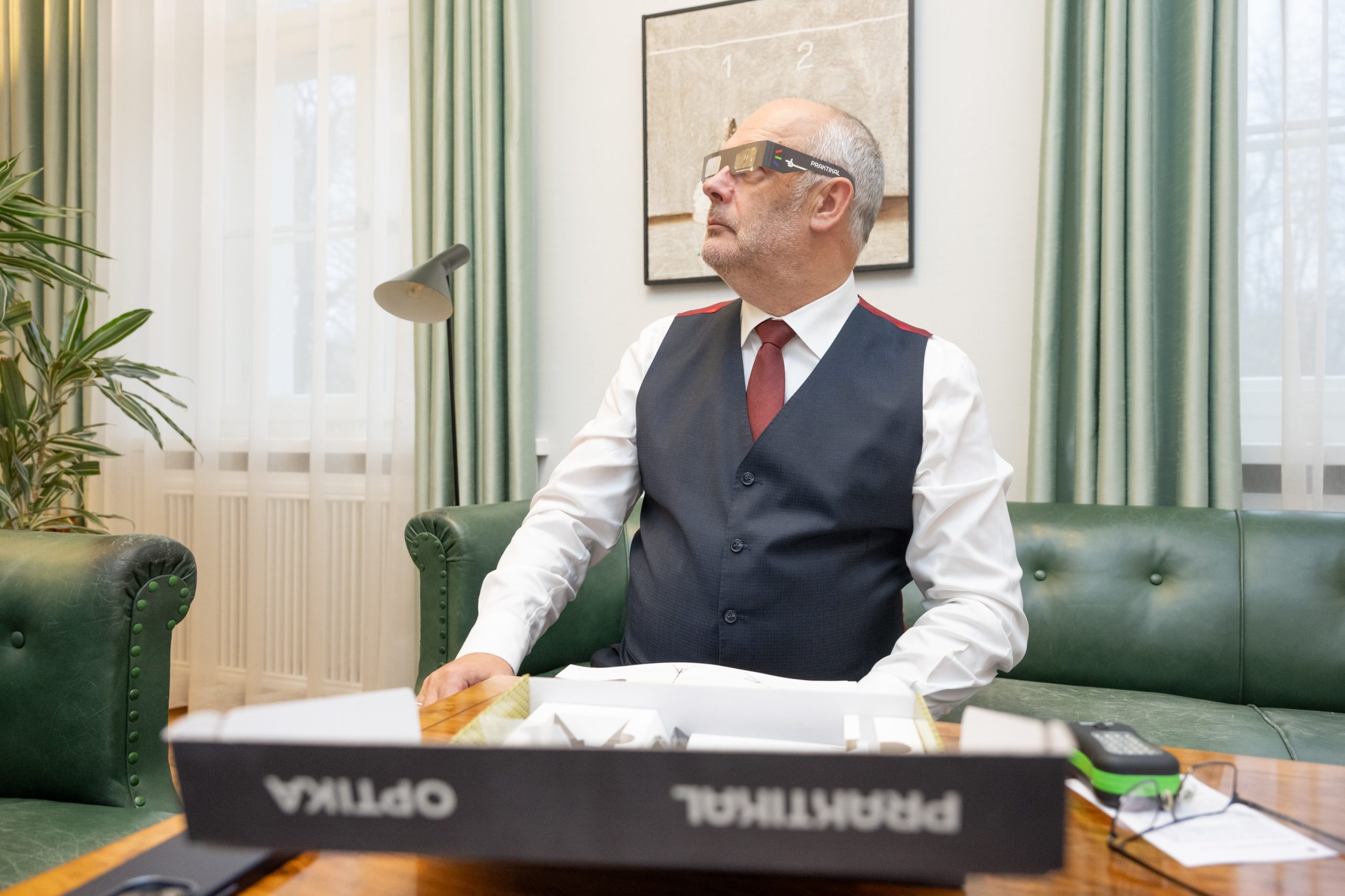

„I never thought we could become so technical and build such a car. That was so creative and amazing.“
Lea, Class 3, BIP Creative Creativity School Chemnitz
This is the sentence Lea said at the end of a MINT project week. At the end of September 2026, her third grade class at BIP Kreativitätsgrundschule Chemnitz built, tested, and improved on the topic of friction for a whole week.
You can read about how such a STEM project week at a primary school works, what the children learn during it, and what other schools can take away from it here.
Why MINT should start in elementary school
Children decide early on whether technology is „something for them“. Leas’s example shows this: By the age of eight, she already had an idea of what she could and couldn’t do – and that image changed in a week.
In science classes, time is often lacking for real experiments. Materials must be procured, worksheets must be created, and safety instructions must be reviewed. It is precisely at this stage of preparation that many project weeks fail before they even begin.
The BIP Creativity Primary School has done things differently: The class received pre-packaged experimental kits and the appropriate teaching units all in one package.
This is how the friction-themed project week went
The task was simply formulated and difficult to solve: A vehicle that builds a sloping plane.
The material came from the practical experimental range:
- KLOTS A and B modular systems for chassis and superstructure
- Roadways for experimental vehicles as a sloping plane
- Rubber stoppers, measuring equipment set and 9-V batteries
- a solar energy set for a second drive idea
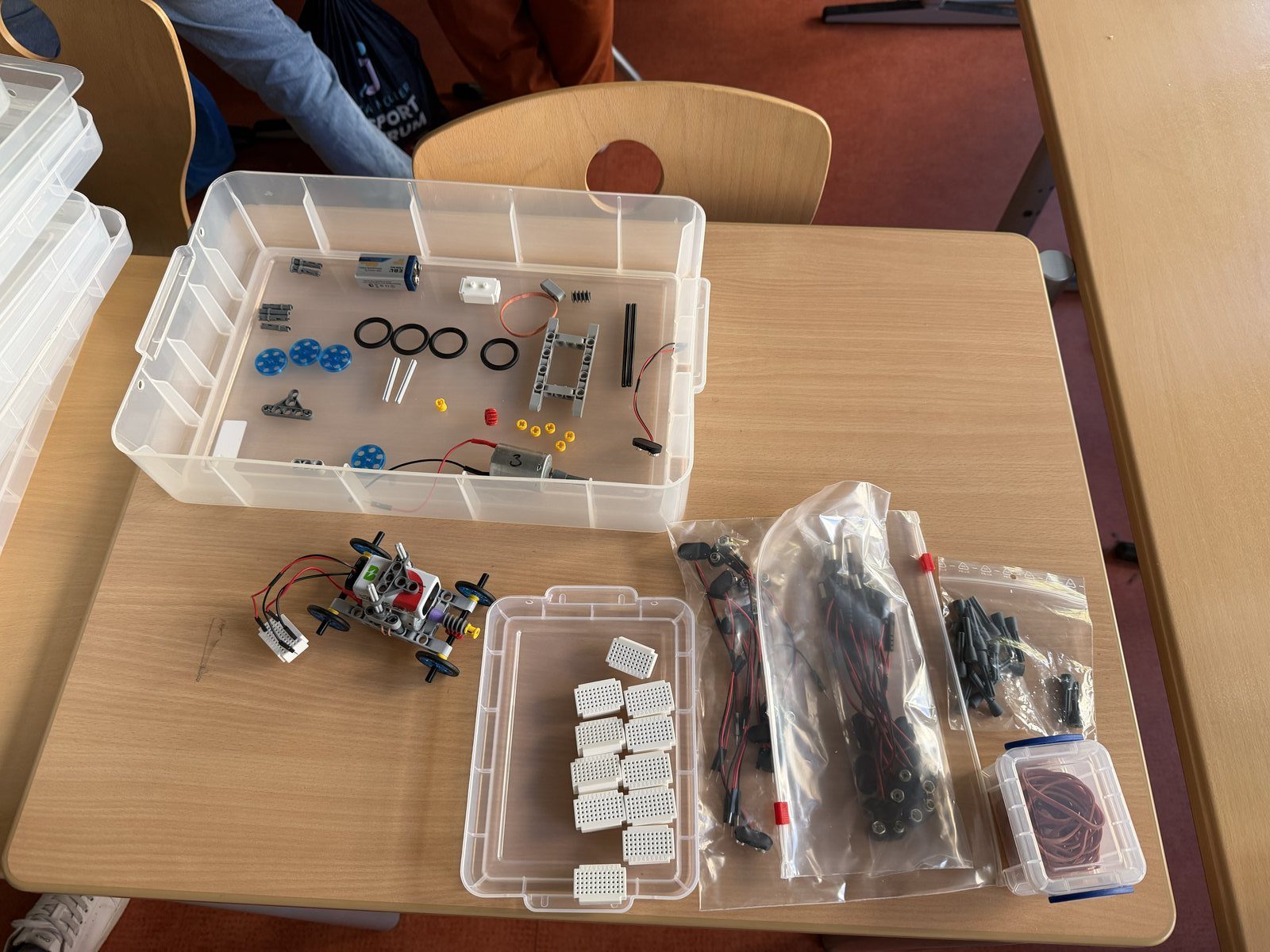
The children worked in partnership. First they attached a motor and let the vehicle run. The wheels turned.
Then the real learning began: more weight, different wheels, rubber instead of plastic. Each group tried until their vehicle was ready. In the end, two vehicles drove around the steep course to see who would win.
The word „friction“ only came at the end – as a name for something that the children had experienced themselves before.
What the children learned during the project week
The children did not learn friction by rote; they discovered it themselves. Three experiences that go beyond the topic also contributed to this:
- It's worth a try. The first attempt almost always fails. Those who change and test again reach their goal.
- Technology is creative. For Lea, building was not an antithesis to creativity, but the same thing.
- We can do that. Children who had not previously dared to try technology built a functioning vehicle.
Especially the last point counts: Those who experience success in technology in primary school go into their secondary school MINT classes with more confidence.
Practical: Experimenting box and lesson unit from a single source
Practical connects real experimental sets with digital teaching units. Over 150 ready-made units for chemistry, physics, and technology are available – with schedules, material lists, and safety instructions.
For the teacher, this means that the boxes are packed, the instructions are displayed on the whiteboard, on the tablet, or printed out. The evaluation of the results is built in.
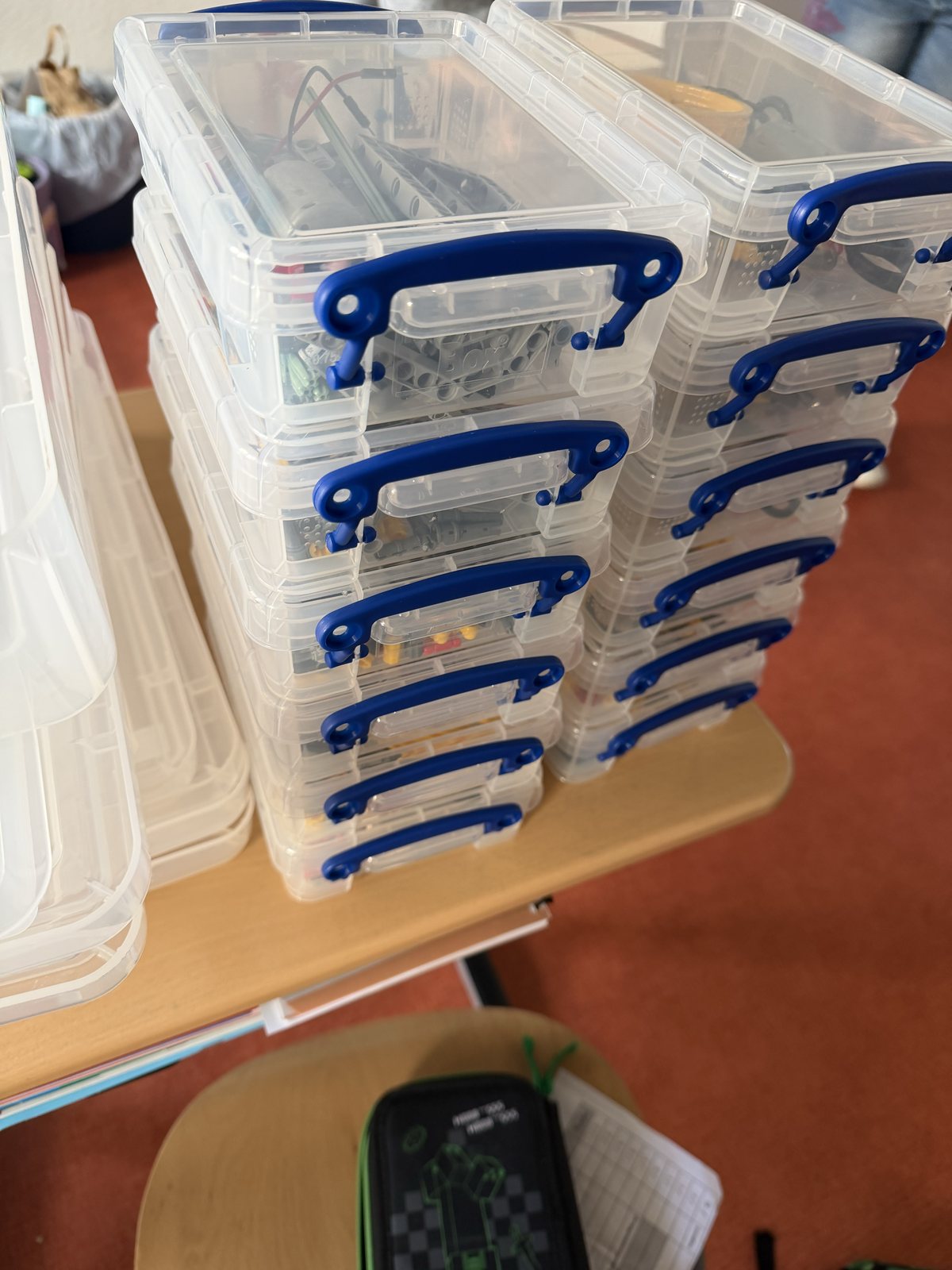
In Estonia, over 300 schools work with apprentices. There, the concept was implemented in Testbed Tried out before it was rolled out to the public. KOOLEST Solutions brings Praktikal as an official partner to Germany.
Four tips for your own MINT project week
- A task, not a worksheet. „Build a vehicle that can climb the ramp“ takes a whole week. The children come up with the questions themselves.
- The term last. First experience, then name. This way, „friction“ remains an experience in its own right.
- Collaborative work instead of presentation. Two children working together on a set bring out more ideas than an experiment at the computer.
- Deferring preparation. Packed experimental kits and ready-made units save the teacher from having to spend evenings before the project week.
You can read about what the start of school looks like in From the field: Your first week with Praktikal.
Frequently asked questions about the MINT project week in primary schools
From what grade onwards is a MINT project week suitable?
From the 1st grade onwards. The friction task worked well in 3rd grade; simpler construction tasks are sufficient for younger children.
How much preparation does the teacher need?
With packed experiment kits and ready-made lesson units, the need to gather the materials is eliminated. The teacher reads through the unit and accompanies the children.
Which subjects does a friction project week cover?
Above all, practical lessons with connections to physics and technology. Measurements and comparisons also strengthen mathematical skills.
Can the material be borrowed?
The BIP Creativity Primary School has received the experimental kits for the project week on loan. Please contact us if you would like to explore this option for your school.
Planning a project week at your school
Do you want to run a STEM project week at your primary school? We show you practicals and the appropriate experimental kits in 15 minutes – and plan the week with you.
service@koolestsolutions.com · +49 371 2809 8598